
Beyond the System · Episode 5
Build a Capital Plan Finance Can Say Yes To
Refrigeration equipment that isn't in the budget and hasn't failed rarely gets replaced. Here's how to build a capital asset plan that gets that replacement into next year's budget.
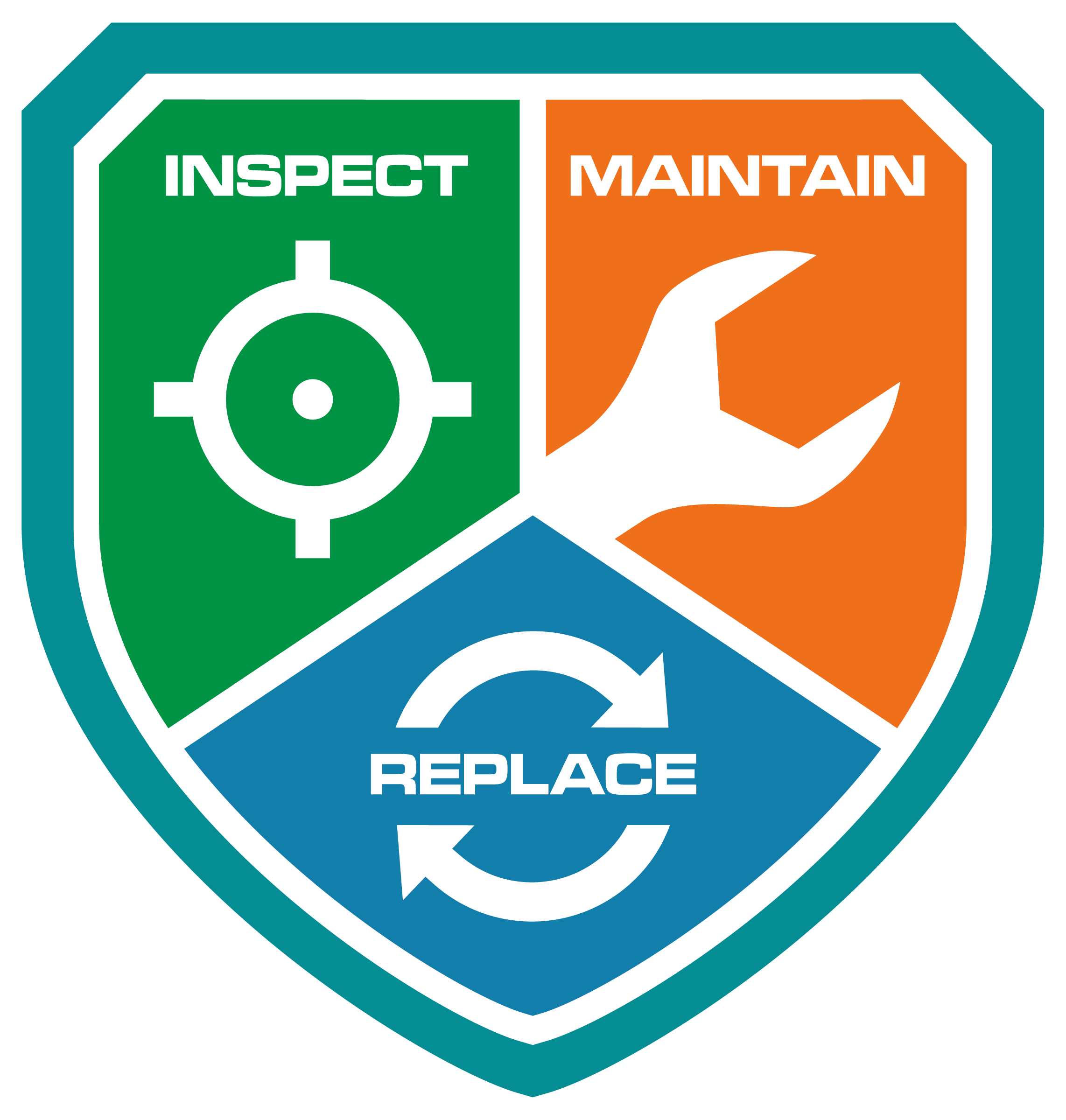
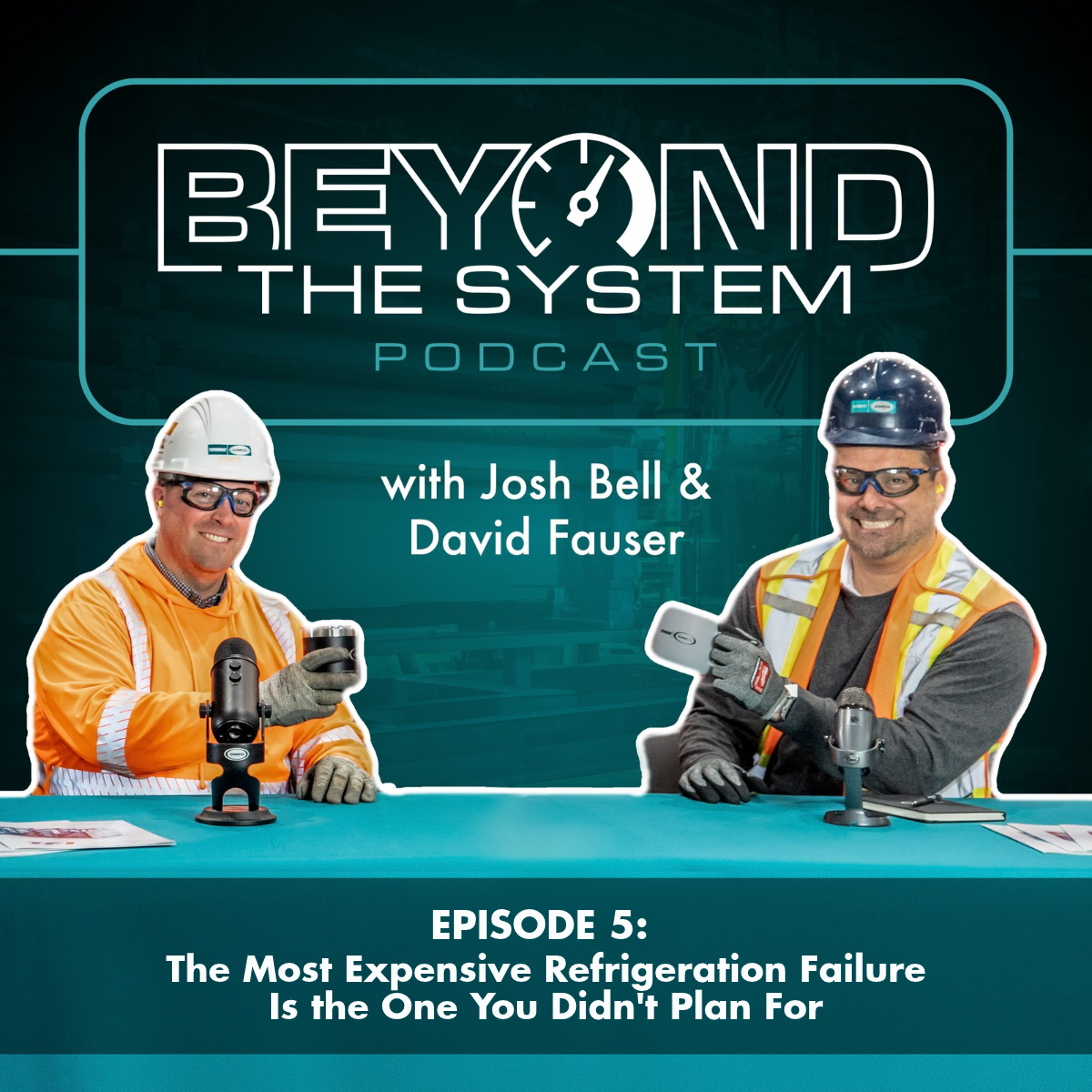
In the fifth episode of CIMCO's Beyond the System podcast, David Fauser and Josh Bell apply the Inspect, Maintain, Replace (IMR) approach to capital asset planning, from assessing equipment to presenting the case to the people who control the budget.
Why the Case Has to Be Clear
Although capital asset planning involves technical work, David Fauser, Director of Sales at CIMCO, sees it mainly as a business exercise. You're showing the organization what equipment you have, what state it's in, and where it needs to invest to keep performing.
The process looks much the same from one organization to the next. CIMCO once brought together about 80 clients to discuss capital and business planning. Fauser expected something innovative to come out of it. Instead, the session showed that nearly everyone plans the same way. You identify a need, get a budget price, weigh it against other requests, and pick the biggest risk or opportunity. That goes into a plan, the plan goes to finance, and finance says go or no go. If it's approved, the capital may arrive the following year.
"If you don't plan, you don't get," Fauser says.
Josh Bell, VP of Western Canada, Ontario at CIMCO, calls that a fact. A truly dire situation might shake the money loose, he says, but for the most part it's far harder to come by once the budget is set. Deferring replacement and maintenance may be a strategy, Fauser adds, but it's a terrible one.
Even a planned request isn't guaranteed. Priorities shift during the year, and non-urgent requests can move up the list. The outcome depends on the support behind each request. "If you don't have the story to back it up, the reasons why, or the benefits, then you've got nothing," Bell says. "Someone else will grab your capital." That explains why some departments seem to get everything they ask for while others go without.
Refrigeration, though, can't afford to wait its turn. A home water heater that fails can wait two or three days for a repair, and the cost is a few cold showers. Leave an ice rink system down that long, and you lose the ice. In a production facility, Bell says, downtime could cost millions of dollars a day.
When equipment does fail, replacing it is harder than ever, Fauser says, with global supply chains, costs, and raw materials all working against a quick response. Suppliers won't hold your equipment on a shelf, and you can't stock everything yourself.
Show What Aging Equipment Costs
A breakdown has an obvious cost. Harder to show is equipment that still runs but gets more expensive every year, because the increase builds slowly. Bell saw it with his own truck. He put off an engine repair for a couple of years because the truck still drove fine. Once he fixed it, his fuel consumption dropped by almost a quarter. He'd been burning extra fuel the whole time without feeling it.
Repair costs hide in a similar way. Bell recently got a request to add a welding machine to the capital list because the old one had broken down and couldn't be repaired. It dated to 2002, making it 24 years old. The worker using it had likely spent years troubleshooting it, while the repairs went into job costs instead of being tracked against the machine. Bell can't say what it cost over its last six years, but he suspects the money could have bought a newer, more fuel-efficient machine and a happier worker.

Step 1
Inspect: Assess What You Have
What aging equipment is really costing you, and whether to replace it, comes down to an assessment, and that starts with age. If you lack technical resources, published guidelines such as ASHRAE's give expected service lives for common equipment. But age only tells you where to look.
Condition matters more because well-maintained equipment outlasts neglected equipment. That's why Bell rates condition above age, and why a 20-year-old component deserves a closer look rather than automatic replacement. To judge condition, Fauser and Bell recommend looking at:
- Maintenance history
- Operational issues over the past year
- Performance, and whether the equipment still does what it should
- Operating environment
- Secondary fluids
Fluids can shorten or extend equipment life. On a chiller using brine as the secondary fluid, check whether the brine has been sampled and whether leaks have exposed the chiller to air. If they have, its life is likely reduced. A glycol system with no air exposure will probably last longer. Without records on details like these, you may have to fall back on age.
Whatever records you have, the assessment still means walking the system. Beyond the major equipment, look at piping and valves, which can be costly to replace, but keep it within reason. Fauser sees overcomplication as a common downfall of asset reports. For each item, aim to come away with the same four things: what it needs, its condition, the risk, and the replacement cost.

Step 2
Maintain: Plan the Maintenance Budget Too
Capital requests often get attention, while the maintenance budget gets overlooked. Many operations managers simply carry over last year's figure. But as with a car that needs brakes some years and not others, maintenance costs move. Fauser recommends building a specific maintenance plan into your budgeting, which turns the exercise into something closer to capital management planning.
Bell's approach starts from the fact that most organizations budget a steady amount each year. He assesses each piece of equipment to separate the predictable costs from the large ones. A condenser needs belts, the occasional bearing, lubrication, and clean nozzles, which cost about the same each year. Pumps need couplings and grease. Compressors account for the big spending, with overhauls that Bell scheduled every 6,000 to 8,000 run hours.
The key is scheduling those big jobs so the owner knows which years will cost more and which will cost less. Bell set up a plan like this for one facility and labeled the panel, so staff called when a compressor approached its service hours. Over a couple of years, the facility's maintenance costs dropped significantly.
Planning should also account for operating patterns. Seasonal operations, such as many recreation facilities, run in the year's most favorable conditions and never see the strain of summer operation. Systems that run 12 months a year do, so Bell recommends more maintenance for them.
Without a plan, the budget can run short, and you may have to choose which work to cut. Do you overhaul the compressor or push it another season? Do you replace the gaskets in the plate-and-frame heat exchanger or wait?

Step 3
Replace: Build the Plan and Make the Case
Finance cares less about the detail, like model numbers, than the reason behind each request, and Bell sorts those reasons into three. Age makes the simplest case, since some organizations replace equipment on a fixed clock at 20 or 25 years. Condition is harder to pin down, because that is where the variables come in and you may need technical help. The third is safety, which covers the people who work around the equipment and the operation itself.
He recommends choosing the framing that suits the facility. Where more uptime means more production, emphasize uptime. Where downtime damages the product, as at an ice rink or in an ice cream freezer, emphasize the cost of downtime.
Fauser and Bell offer a few more recommendations for building the plan and getting it approved.
Protect first, then enhance
A plan balances two aims, protecting the business and enhancing it, and they compete for the same budget. Fauser puts protection, keeping the operation running, ahead of enhancement. The reason comes down to how approvals work. Many businesses require a two-year payback, so an efficiency upgrade that pays back in three can be cut, and an efficiency claim without data behind it often isn't enough to win on its own.
Enhancement still belongs in the plan, though, and it needs real budget behind it. Fauser has seen operators who wanted to replace a shell-and-tube chiller with a plate-and-frame unit, cutting their ammonia charge while gaining efficiency and safety. When the budget fell short, they installed the same equipment instead, locked into what they already had.
Frame it around risk and goals
Because finance decisions often turn on risk, Fauser recommends highlighting the business, safety, and environmental risk of each item when presenting a plan. For equipment past its expected life, that means showing what doing nothing puts at risk, from the system to your people and the business. Business risk reaches past the balance sheet. If customers can't get your products, or the quality slips, will they keep buying? Bell suspects not.
Most organizations work toward an overarching goal, whether in sustainability, energy reduction, or finances, and Fauser sees aligning the plan with that goal as one of the most useful things a planner can do. Clients often ask a contractor preparing a plan to find where they can cut costs or greenhouse gas emissions, which can strengthen the case.
Present it in person
Fauser advises against sending the plan over and waiting for a reply. Meet with the stakeholders and walk them through it, because words on paper only carry so much. Bring the people who did the assessment. If technical questions are likely, bring technical people. To explain the efficiency of a specific piece of equipment, Bell suggests inviting the OEM.
Some people hesitate to put their hand up, Fauser notes, because a request for new assets sounds like bad news. Managers don't see it that way. "As a manager of a business, you just want to know the facts," he says. Holding those facts back leaves management in a vulnerable position.
Start early and update annually
Some systems go neglected so long, Bell says, that a request once in the hundreds of thousands becomes one in the millions, and the business faces months of downtime instead of weeks.
Planning ahead avoids that, and gives you options a rushed replacement can't. With time, you can choose the equipment you want instead of defaulting to like-for-like, order ahead of long lead times, and schedule the work for the season that suits your business. Shorter-lived equipment can be staged so its replacements disrupt the business less.
Grants are another overlooked opportunity, and a head start can help you use them. Bell points to $500 million available in Ontario for recreation facilities. It covers accessibility and other upgrades as well as efficiency. With that funding, a single equipment replacement can fix five or six problems in a building. Qualifying does take extra investment, such as an in-depth energy audit and, for some system changes, new components and engineering. The plan itself shouldn't cost you, though. That's work your contractor should handle.
Once you have a plan, revisit it annually. Costs fluctuate sharply, and Bell has seen customers in a bad spot when a three-year-old plan is finally approved and the money no longer covers the work.
The Bottom Line
Finance can fund only what it can see. A current plan that ranks your equipment by risk and puts a real price on each fix gets the plant into the budget conversation on your schedule, not after a breakdown. The equipment that gets replaced is the equipment someone planned for.
Companion Piece
Build Your Capital Asset Plan in 11 Steps
Capital asset planning is more a business exercise than a technical one. These eleven steps from CIMCO's Beyond the System podcast walk you through what to do once a year before budget season.
Inspect: Assess What You Have
List your compressors, condensers, and chillers, plus the pumps, piping, and valves that are easy to overlook. Any of it can be expensive to replace.
If you lack in-house data, published guidelines such as ASHRAE's give expected service lives for common equipment.
Condition matters more than age, since well-maintained equipment outlasts neglected equipment. Review maintenance history, operational issues over the past year, performance, operating environment, and secondary fluids.
For each item, note what it needs, why it is on the list (age, condition, or safety), the risk of doing nothing, and the replacement cost. Leave out the technical details like model numbers.
Maintain: Budget the Maintenance
Belts, bearings, lubrication, and pump couplings cost about the same each year. Compressor overhauls, roughly every 6,000 to 8,000 run hours, are the big spend.
Spread the overhauls so you know which years will cost more and which will cost less. Account for how the system runs, since equipment operating year-round needs more maintenance than a seasonal plant.
Replace: Build and Present the Case
Lead with the biggest risk or opportunity, not the longest list.
Make the case for keeping the operation running before any efficiency upgrade, and back efficiency claims with data. Budget enough to capture the upgrade you want, or you may be forced into like-for-like.
Name the business, safety, and environmental risk of doing nothing, and tie the plan to the organization's goal, whether that is sustainability, energy reduction, or financial.
Walk stakeholders through the plan rather than sending it over. Bring the people who did the assessment, plus technical staff or the OEM, for technical questions.
Order ahead of long lead times, ask your contractor about grants, and revisit the plan each year so rising costs do not outpace it.
Listen to Episode 5 of the Beyond the System podcast.
Connect with CIMCO today to learn more.