
Aurora, Ontario
No Room for Delay: CIMCO Keeps King Cole Ducks' Production Schedule Intact
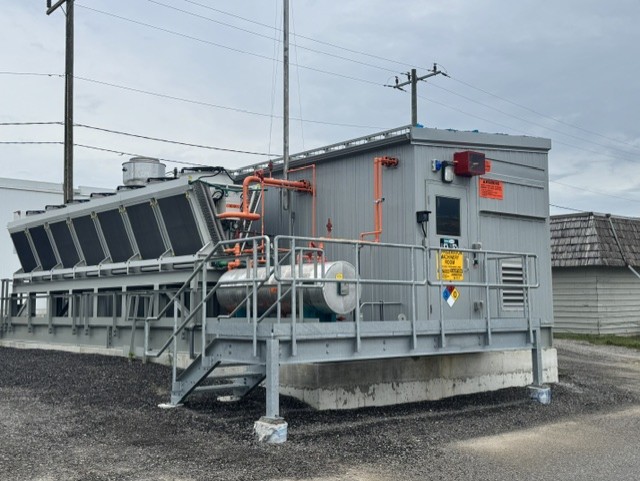
King Cole Ducks had an aggressive installation timeline, a third-party chiller to integrate, and a production schedule that couldn't slip. When one CIMCO facility was fully committed, another picked it up, built an entire ammonia system inside a modular mechanical room, and shipped it across the country, ready to connect.
The Challenge
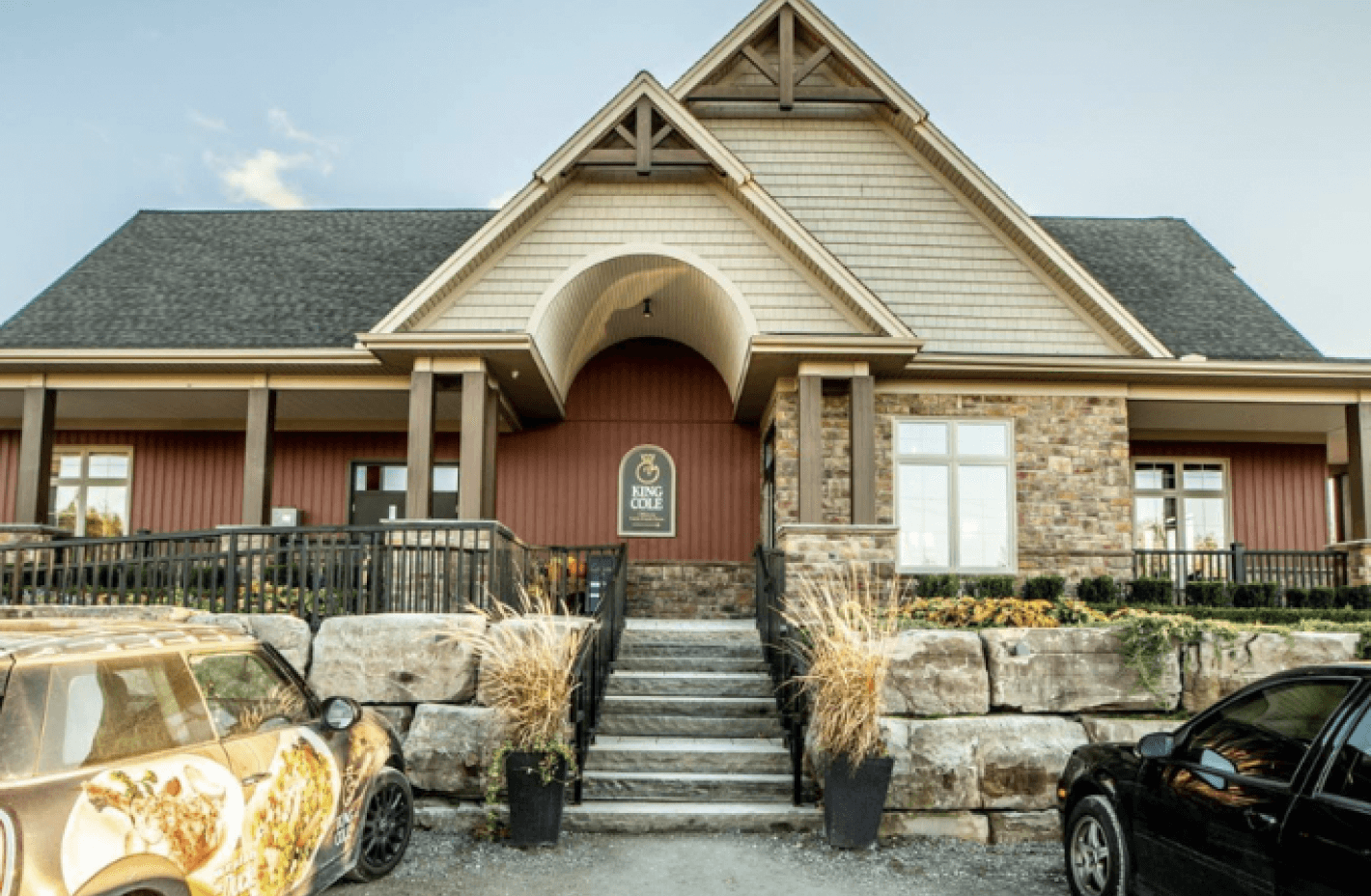
King Cole Ducks (KCD) is one of Canada’s largest duck producers, processing around 10,000 birds per day at its facility in Aurora, Ontario. A family-run operation for 75 years, the company controls the entire production chain from hatchery to market, with refrigeration at the heart of every step.
When KCD undertook a major production floor refit in 2024/25, they had already sourced a specialized red-water chiller from a US supplier, but their existing ammonia system lacked the capacity to support it. That's where CIMCO came in. With a long-standing relationship with KCD and the manufacturing capability to back it up, CIMCO took on the design and installation of a new ammonia system to integrate with the chiller KCD had already bought.
The project RFQ arrived around September 2024, with the purchase order following at the end of the year. The system needed to be on site by the August long weekend of 2025. That left CIMCO a very short window to design, build, and deliver a self-contained modular mechanical room housing a 120-ton ammonia system from scratch.
Adding to the pressure was KCD's demanding production schedule. The facility had a narrow, fixed window for a full production room refit, shared across multiple contractors handling structural work, rail systems, and equipment changeovers. This gave CIMCO a firm deadline and no flexibility.
Building It in Edmonton
At the time, CIMCO's Burlington shop was at capacity and couldn't take on the build. The project was rerouted to CIMCO's Edmonton facility, where lead engineer Garth Howey and project lead Connor McIntosh took it on.
The red-water chiller was shipped directly from the US vendor to the Edmonton shop, and the team incorporated it into the mechanical room design. Everything else was built entirely in-house: all structural elements, electrical, vessels, controls, starters, and piping were completed and housed within the modular structure before the unit left the shop.
To meet transport regulations across Saskatchewan, Manitoba, and Ontario, the mechanical room was built in two sections, each with flanged connection points so that no field welding would be required on site. The sections were loaded onto trucks in late July and arrived in Aurora in time for the installation window.
When the package arrived on-site, installation was straightforward by design. CIMCO organized the craning and set the two sections onto a concrete pad, bolted them together, and tied in the interconnecting wiring. KCD's team then connected two water pipes and hooked up electrical power.
Engineering That Delivered
The team built the system to Ontario's TSSA standards and applicable building code, as required for a modular building. The interior layout was tight, and 3D modeling was used during the design phase to verify clearances and confirm all code-required distances between components before fabrication began. For KCD, the result was a system that arrived on site ready to connect, requiring minimal on-site work.
"The upfront engineering went really well; we modeled the package, the submittals came together cleanly, and from there it was just execution. There were so many opportunities to drop the ball, and we didn't. That’s a credit to the whole team,"
- Mike Bradley, Team Lead, Ontario Industrial Project Sales at CIMCO.
"We gave CIMCO an aggressive timeline and a piece of equipment we'd sourced ourselves, and they made it work. The system arrived ready to connect, and our production schedule stayed on track. That's exactly what we needed."
– Mark Kelly, King Cole Ducks Limited
Have Questions? Speak with the experts.Connect with CIMCO today to learn more.