

The Evolution of Thermal Systems
The industrial refrigeration landscape has undergone a significant transformation over the past two decades. While traditional single‑purpose cooling systems continue to serve many facilities, mounting energy costs, stricter environmental regulations, and growing sustainability commitments are driving operators to rethink their thermal infrastructure.
Modern facilities face increasing pressure to optimize energy consumption while maintaining precise temperature control. This challenge has sparked innovation in thermal system design—moving beyond conventional refrigeration toward integrated approaches that capture and redistribute thermal energy across entire facilities.
Guide ObjectivesThis resource provides facility operators with the technical context and economic frameworks needed to evaluate thermal system options objectively. By understanding how different system approaches impact energy use, operating costs, and environmental performance, decision‑makers can confidently align immediate operational needs with long‑term sustainability goals.
Traditional Systems
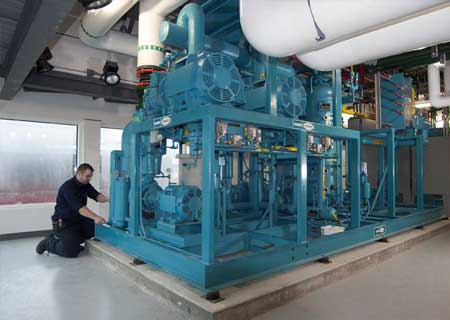
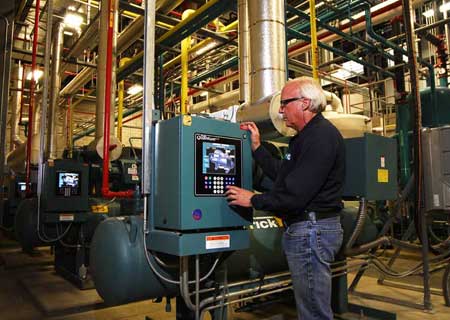
Traditional systems have been the industry standard for decades. These single‑purpose cooling solutions typically reject waste heat to the atmosphere, missing opportunities for energy recovery and cost savings.
Heat Recovery Systems
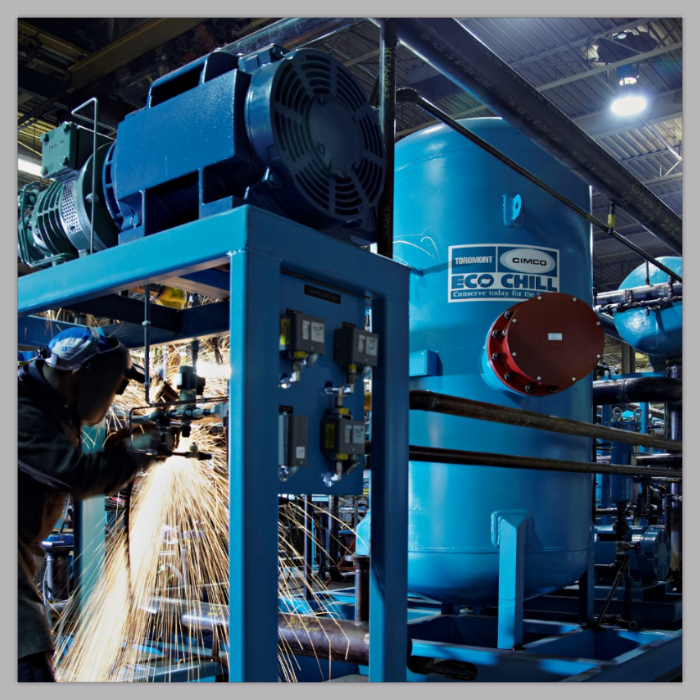
Heat recovery systems capture thermal energy that would otherwise be wasted and redirect it for beneficial uses such as space heating, domestic hot water, or ice resurfacing—reducing overall facility energy consumption without compromising cooling performance.
Integrated Systems
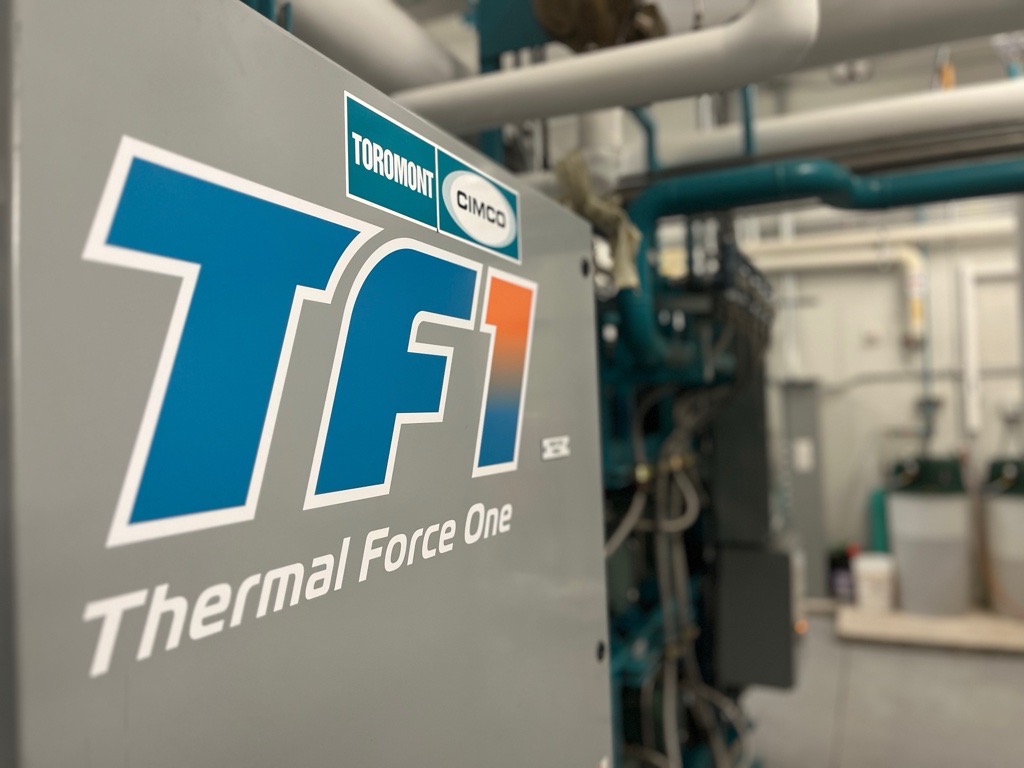
Integrated systems represent the most advanced approach, combining cooling, heating, automation, and energy management into unified platforms that dynamically balance thermal loads across entire facilities and maximize efficiency.
1. Traditional Systems
Traditional thermal systems represent the conventional approach to facility heating and cooling, where each function operates independently with no thermal synergies or energy recovery.
These systems typically include separate components for each thermal requirement, like:
- Rooftop HVAC units for space conditioning
- Natural gas or oil boilers for heating and hot water
- Standalone dehumidifiers for moisture control
- Independent refrigeration systems for cooling applications
- Separate water heating equipment
- Individual ventilation systems
- Basic building automation systems (BAS) with limited integration
The fundamental limitation of traditional systems lies in their inability to capture and reuse thermal energy. In many applications, traditional refrigeration systems reject substantial amounts of heat to the atmosphere through condensers and cooling towers, representing a significant waste of energy that could otherwise be recovered and utilized.
The energy intensity of traditional systems is further compounded by the fact that separate energy inputs are required for each thermal function, resulting in higher operating costs, increased greenhouse gas emissions, and greater equipment complexity.
- Increased capital costs from multiple independent systems
- Complex operations, requiring separate maintenance protocols
- Higher greenhouse gas emissions from natural gas combustion
- Limited operational flexibility and control integration
- Missed opportunity to recover waste heat and reduce dependence on fossil fuels
.png?sfvrsn=ad12d922_3)
2. Heat Recovery Design
Heat recovery systems represent a significant advancement over traditional approaches by capturing and repurposing thermal energy that would otherwise be wasted. One of the simplest ways to decarbonize heating is by recovering and repurposing waste heat from existing site processes (like refrigeration) to conserve energy and improve efficiency. In doing so, businesses can reduce their reliance on unsustainable fossil fuels, lower their carbon footprint, and save money on energy costs.
- Heat exchangers that capture waste heat from refrigeration systems
- Desuperheaters that extract heat from hot refrigerant gas
- Thermal storage systems for managing timing mismatches between heat generation and demand
- Integrated controls that optimize heat recovery based on facility needs
Solutions like CIMCO's ECO Chill represent an industry-leading heat recovery solution specifically designed for ice arena applications. It requires only one unit of energy – typically electricity – to move three units of heat from the arena floor. The system operates at 400% efficiency by repurposing energy removed from the ice sheet during normal refrigeration operation and redirecting that energy to facility heating needs.
- Avoids the need for additional electricity or fossil fuel sources to meet heating demand
- Lower greenhouse gas emissions compared to traditional heating
- Decreased operating costs through improved efficiency
- Reduced refrigerant charge and associated leak risks
- Modular design allowing customization for new construction or retrofit applications
3. Integrated Thermal Systems
Integrated thermal systems represent the most advanced approach to facility energy management, consolidating all heating, cooling, refrigeration, and air-conditioning functions into a unified platform.
Solutions like CIMCO's Thermal Force One (TF1) are a breakthrough in integrated thermal design, functioning as a heat pump, refrigeration system, and air conditioning system within a single packaged unit. Using only natural refrigerant ammonia, it can now achieve 200°F heat (and even higher), making it useful for a growing number of industrial processes, in particular for the Food & Beverage industry.
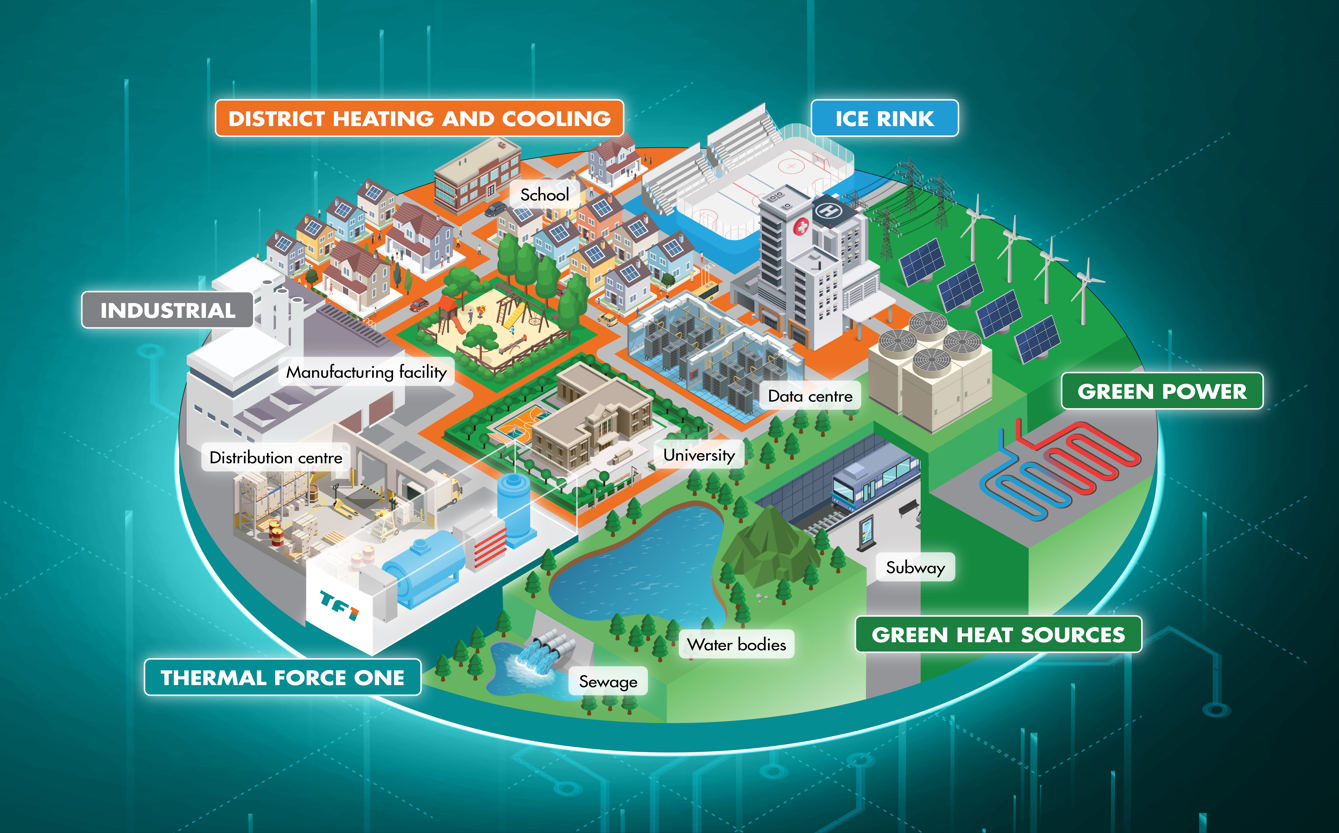
This system pushes the boundaries of thermal management to help facility managers meet net-zero energy consumption and safety targets through several key innovations:
- Comprehensive Energy Optimization: A single platform eliminates inefficiencies from separate systems by coordinating all thermal loads to maximize energy utilization
- Force System: generates heat while it is the only requirement by providing real or false cooling in order to benefit from a higher COP instead of burning fossil fuel
- Maximum Heat Recovery: Convert 100% of waste heat from refrigeration into useful heating, potentially eliminating natural gas consumption and achieving 400%+ heating efficiency
- Advanced Thermal Storage: Store excess heating/cooling capacity during off-peak periods for deployment during peak demand, enabling load shifting and enhanced resilience
- Simplified Operations: Unified controls, single-point maintenance, reduced spare parts inventory, and IoT integration for remote monitoring and real-time system optimization
- Net-Zero Ready Design: Built for renewable energy integration, grid demand response, and evolving energy codes without requiring major system modifications
- Superior Economics: Lower life-cycle costs through reduced operating expenses, minimal maintenance, and qualification for energy efficiency incentives despite higher initial investment
Thermal System Comparison
For New Building Design Comparing Thermal Design Options (Heating / AC / Refrigeration / Dehumidification)
| Incentive Applicable | Capital | Operating | Equipment | GHG Emissions | Longevity | |
|---|---|---|---|---|---|---|
| Traditional | 1 | 2 | 3 | 2 | 3 | 1 |
| Heat Recovery | 2 | 3 | 2 | 3 | 2 | 2 |
| Thermal System | 3 | 1 | 1 | 1 | 1 | 3 |
The above comparison chart clearly demonstrates the progressive advantages of each system type across key performance criteria.
Incentive Availability: Advanced systems like heat recovery and integrated solutions, with proven savings benefits over traditional systems, typically qualify for more energy efficiency incentives and rebate programs, with integrated systems scoring highest in this category.
Capital Investment: Traditional systems require a lower upfront CAPEX investment than heat recovery or thermal systems, due to the ability to make separate equipment purchases, rather than funding the entire system at once.
Operating Costs: Integrated systems excel due to maximum efficiency and heat recovery, while traditional systems perform the poorest due to energy waste and separate utility requirements.
Equipment Complexity: Traditional systems rate poorly due to multiple separate systems requiring individual maintenance protocols. Integrated systems achieve the best rating through unified operation and controls.
GHG Emissions: Integrated systems achieve the lowest emissions through waste heat recovery and especially when paired with natural refrigerants, while traditional systems produce the highest emissions through fossil fuel combustion and energy waste.
Longevity: While the equipment in all three systems may have a similar life expectancy, integrated systems offer better future-proofing for evolving energy codes and regulations.
This progression from traditional to integrated systems reflects the industry's evolution toward more sustainable, efficient, and cost-effective thermal management solutions.
Thermal System Selection Checklist
Enter your details below to unlock the interactive checklist and receive tailored recommendations for your facility.