

The Evolution of Thermal Systems
The industrial refrigeration landscape has undergone a significant transformation over the past two decades. While traditional single‑purpose cooling systems continue to serve many facilities, mounting energy costs, stricter environmental regulations, and growing sustainability commitments are driving operators to rethink their thermal infrastructure.
Modern facilities face increasing pressure to optimize energy consumption while maintaining precise temperature control. This challenge has sparked innovation in thermal system design—moving beyond conventional refrigeration toward integrated approaches that capture and redistribute thermal energy across entire facilities.
Guide ObjectivesThis resource provides facility operators with the technical context and economic frameworks needed to evaluate thermal system options objectively. By understanding how different system approaches impact energy use, operating costs, and environmental performance, decision‑makers can confidently align immediate operational needs with long‑term sustainability goals.
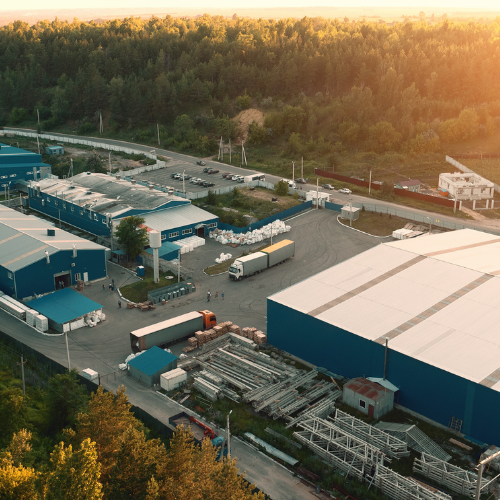
From Traditional Systems to an Integrated Journey
The evolution of thermal systems — moving from isolated equipment to fully integrated facilities.
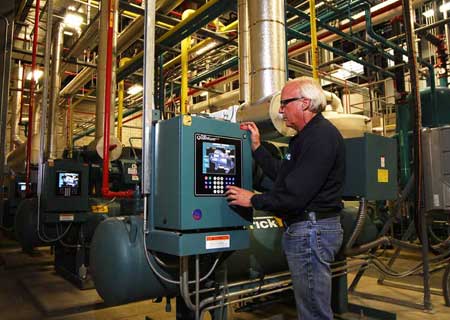
Traditional Systems
Independent systems with no thermal synergies.
Traditional thermal systems represent the conventional approach to facility heating and cooling, where each function operates independently with no thermal synergies or energy recovery.
Typical Components:- Rooftop HVAC units for space conditioning
- Natural gas or oil boilers for heating and hot water
- Standalone dehumidifiers for moisture control
- Independent refrigeration systems
- Separate water heating equipment
- Individual ventilation systems
- Basic building automation systems
- Increased capital costs from multiple independent systems
- Complex operations and maintenance
- Higher greenhouse gas emissions
- Limited control integration
- No waste heat recovery
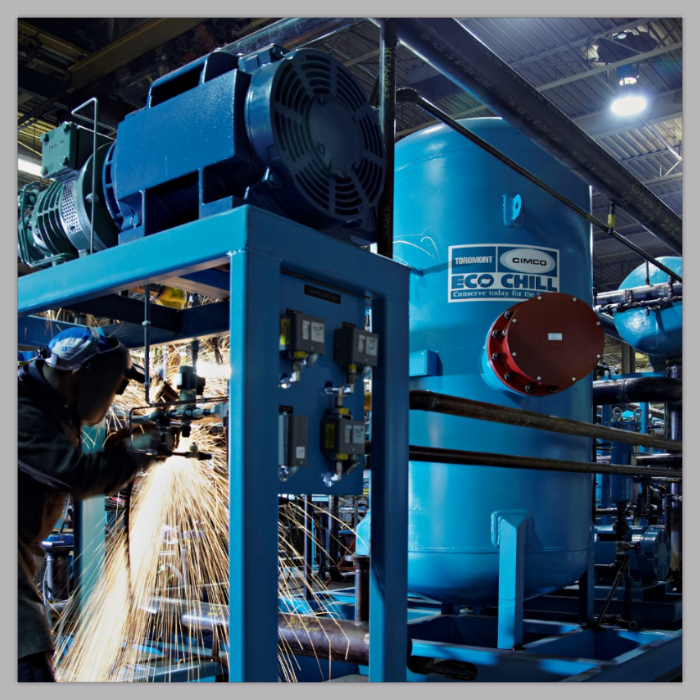
Heat Recovery Design
Waste heat captured and repurposed.
Heat recovery systems capture and repurpose thermal energy that would otherwise be wasted, allowing facilities to decarbonize heating while improving efficiency.
Key Components:- Heat exchangers capturing waste heat
- Desuperheaters extracting heat from refrigerant gas
- Thermal storage systems
- Integrated controls optimizing recovery
CIMCO’s ECO Chill operates at up to 400% efficiency, using energy removed from the ice sheet during refrigeration to meet facility heating needs.
Benefits:- Reduced fossil fuel reliance
- Lower greenhouse gas emissions
- Lower operating costs
- Reduced refrigerant charge and leak risk
- Modular, retrofit‑friendly design
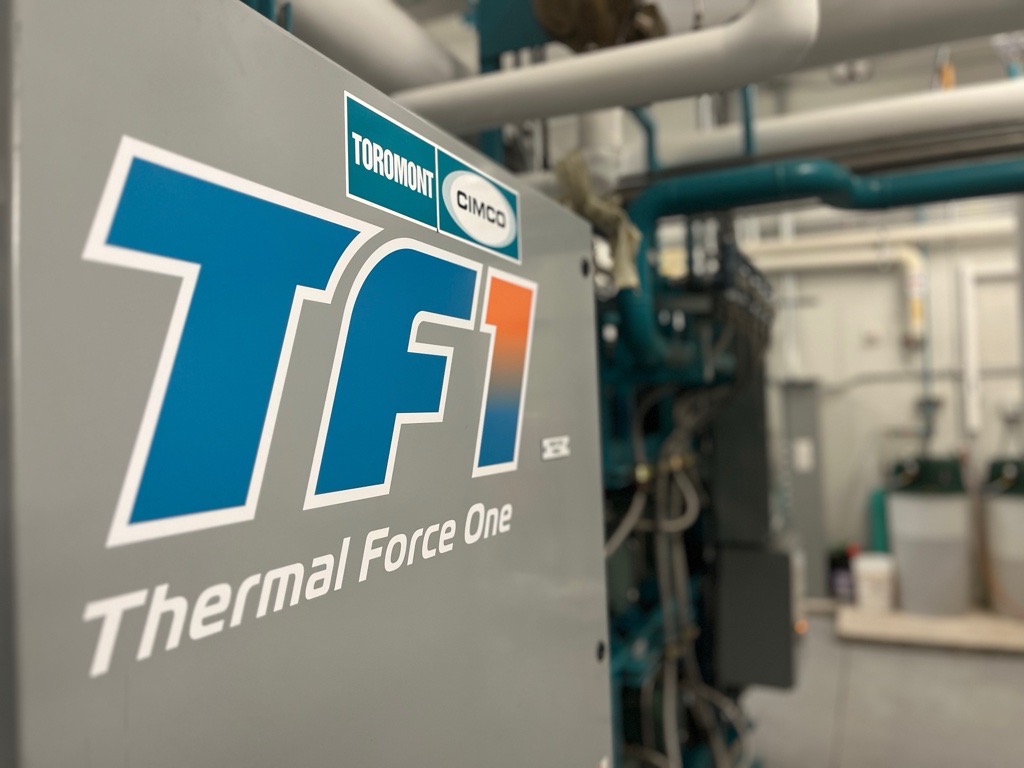
Integrated Systems
Unified heating, cooling, and energy management.
Optimized FutureIntegrated Thermal Systems
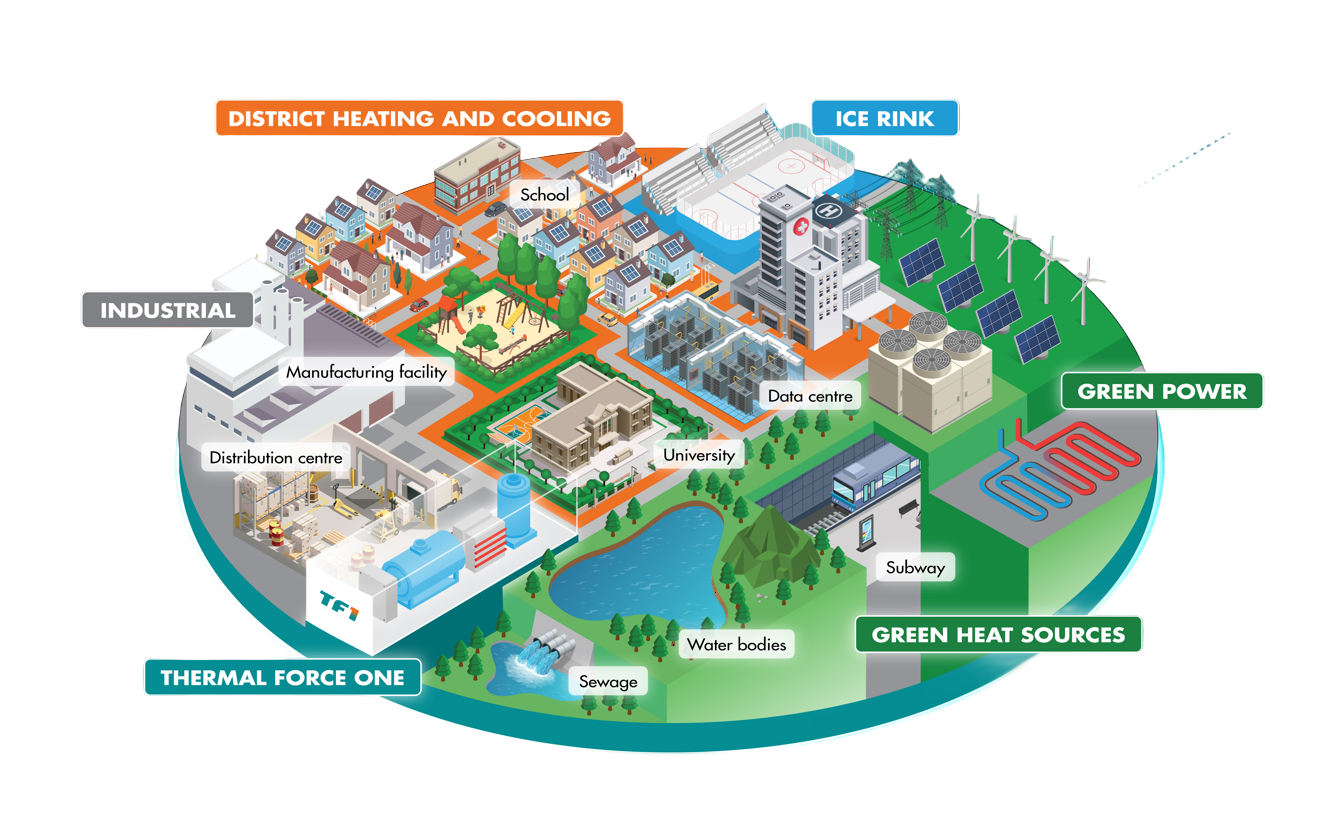
Integrated thermal systems represent the most advanced approach to facility energy management, consolidating all heating, cooling, refrigeration, and air-conditioning functions into a unified platform.
Solutions like CIMCO's Thermal Force One (TF1) are a breakthrough in integrated thermal design, functioning as a heat pump, refrigeration system, and air conditioning system within a single packaged unit. Using only natural refrigerant ammonia, it can now achieve 200°F heat (and even higher), making it useful for a growing number of industrial processes, in particular for the Food & Beverage industry.
This system pushes the boundaries of thermal management to help facility managers meet net-zero energy consumption and safety targets through several key innovations:
Key Advantages of Integrated Systems:
- Comprehensive Energy Optimization: A single platform eliminates inefficiencies from separate systems by coordinating all thermal loads to maximize energy utilization
- Force System: generates heat while it is the only requirement by providing real or false cooling in order to benefit from a higher COP instead of burning fossil fuel
- Maximum Heat Recovery: Convert 100% of waste heat from refrigeration into useful heating, potentially eliminating natural gas consumption and achieving 400%+ heating efficiency
- Advanced Thermal Storage: Store excess heating/cooling capacity during off-peak periods for deployment during peak demand, enabling load shifting and enhanced resilience
- Simplified Operations: Unified controls, single-point maintenance, reduced spare parts inventory, and IoT integration for remote monitoring and real-time system optimization
- Net-Zero Ready Design: Built for renewable energy integration, grid demand response, and evolving energy codes without requiring major system modifications
- Superior Economics: Lower life-cycle costs through reduced operating expenses, minimal maintenance, and qualification for energy efficiency incentives despite higher initial investment
Thermal System Comparison
For New Building Design Comparing Thermal Design Options (Heating / AC / Refrigeration / Dehumidification)
| Incentive Applicable | Capital | Operating | Equipment | GHG Emissions | Longevity | |
|---|---|---|---|---|---|---|
| Traditional | 1 |
2 |
3 |
2 |
3 |
1 |
| Heat Recovery | 2 |
3 |
2 |
3 |
2 |
2 |
| Thermal System | 3 |
1 |
1 |
1 |
1 |
3 |
Advanced systems such as heat recovery and fully integrated thermal systems typically qualify for more energy efficiency incentives due to their proven performance and reduced energy demand.
Traditional systems often have lower upfront costs because equipment is purchased independently rather than as part of a complete integrated solution.
Integrated thermal systems demonstrate the lowest operating costs through optimized heat recovery and high efficiency, while traditional systems experience higher energy losses.
Multiple standalone systems increase maintenance and operational complexity, whereas integrated systems streamline controls and servicing.
Integrated systems significantly reduce emissions through waste heat reuse and compatibility with low‑ or zero‑carbon refrigerants.
While equipment lifespan is similar across systems, integrated solutions better align with future energy codes and sustainability mandates.
Yes Responses: 0 / 21
Complete the checklist
Implementation Roadmap
Successful thermal system implementation requires a systematic approach that balances technical requirements, stakeholder needs, and operational constraints. The following roadmap provides a structured pathway for implementing thermal systems from initial assessment through full operational deployment.
- Energy audits and load profiling
- System capacity assessment
- Economic and GHG analysis
- Owner’s Project Requirements (OPR)
- Grant and incentive identification
- Technology option evaluation
- Preliminary schematics
- Integration and expansion planning
- Design reviews
- Executive and operations alignment
- Permitting and regulatory approvals
- Contractor selection
- Financing confirmation
- Equipment procurement
- Installation oversight
- Progressive testing
- Safety verification
- System commissioning
- Performance validation
- Operator training
- Ongoing optimization
Key Success Factors
- Clear stakeholder communication
- Realistic phase timelines
- Documented decisions
- Continuous performance tracking